
Owning a car comes with freedom, convenience, and responsibility. At Quality 1st Auto Repair, we understand how easy it is for busy drivers to skip routine car maintenance, thinking it saves time or money. However, skipping essential services can have serious consequences for your vehicle’s performance, safety, and longevity. From engine damage to unexpected breakdowns, neglecting maintenance often leads to problems that are far costlier and more stressful than a scheduled service. In this article, we will explore what happens if you skip regular car maintenance, the long-term effects on your vehicle, and why proactive care is the key to keeping your car running smoothly.
Understanding Regular Car Maintenance
Regular car maintenance involves routine checks and servicing designed to keep your vehicle running efficiently. It includes oil changes, tire rotations, brake inspections, fluid level checks, and other preventive measures. These procedures are recommended by manufacturers based on mileage or time intervals. They are designed not only to prolong the life of your car but also to ensure it operates safely on the road.
Skipping these services may save time and money initially, but it exposes your vehicle to accelerated wear and tear, performance degradation, and potential safety hazards.
The Immediate Consequences of Skipping Maintenance
Failing to maintain your car can have immediate repercussions, often noticeable in performance, fuel efficiency, and overall reliability.
Reduced Engine Performance
The engine is the heart of any vehicle. Neglecting oil changes, air filter replacements, or spark plug maintenance can cause the engine to run inefficiently. Dirty oil increases friction between moving parts, leading to overheating, reduced horsepower, and poor acceleration. Over time, minor inefficiencies can escalate into severe engine problems.
Decreased Fuel Efficiency
Skipping routine maintenance directly affects your car’s fuel economy. Clogged air filters, under-inflated tires, or worn spark plugs force the engine to work harder, consuming more fuel. Drivers may notice they are refueling more frequently than usual, which can add up significantly over months and years.
Warning Lights and Dashboard Alerts
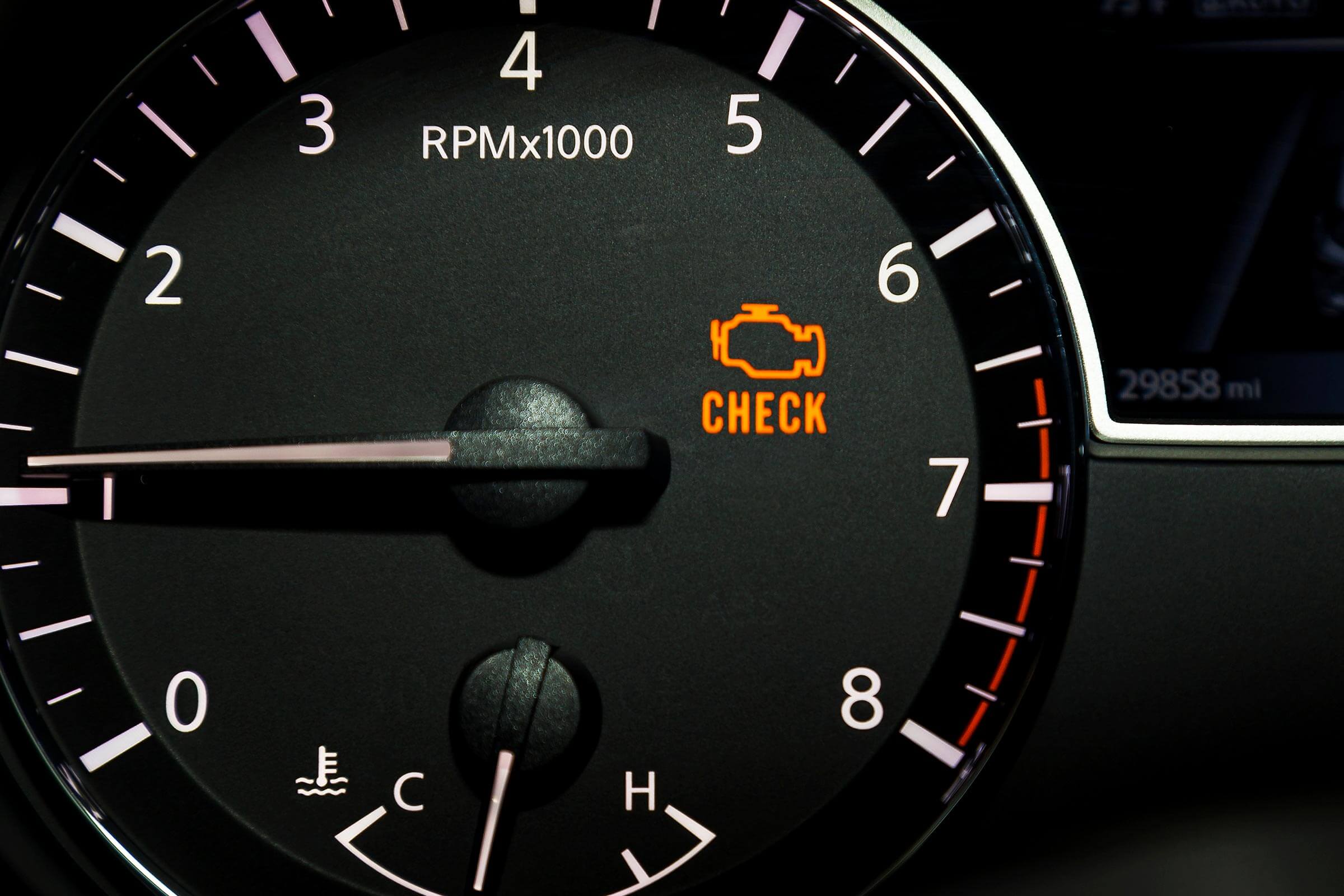
Modern vehicles are equipped with sensors to alert drivers to potential problems. Ignoring routine checks often triggers warning lights, such as the check engine, oil pressure, or brake system indicators. These alerts are the car’s way of signaling distress. Continually ignoring them may result in more severe mechanical failures.
Long-Term Damage from Neglected Maintenance
The consequences of skipping regular car maintenance compound over time, often leading to expensive repairs or complete component failure.
Engine Wear and Tear
Without regular oil changes and inspections, the engine experiences accelerated wear. Sludge and debris accumulate inside, restricting lubrication and increasing friction. This process can lead to costly repairs, including rebuilding the engine or replacing critical components like the timing belt or pistons.
Transmission Problems
Transmission maintenance, such as fluid replacement and inspections, is often overlooked by car owners. Neglecting this service can result in gear slipping, overheating, or complete transmission failure. Transmission repairs are among the most expensive repairs a car owner can face, often costing several thousand dollars.
Brake System Degradation
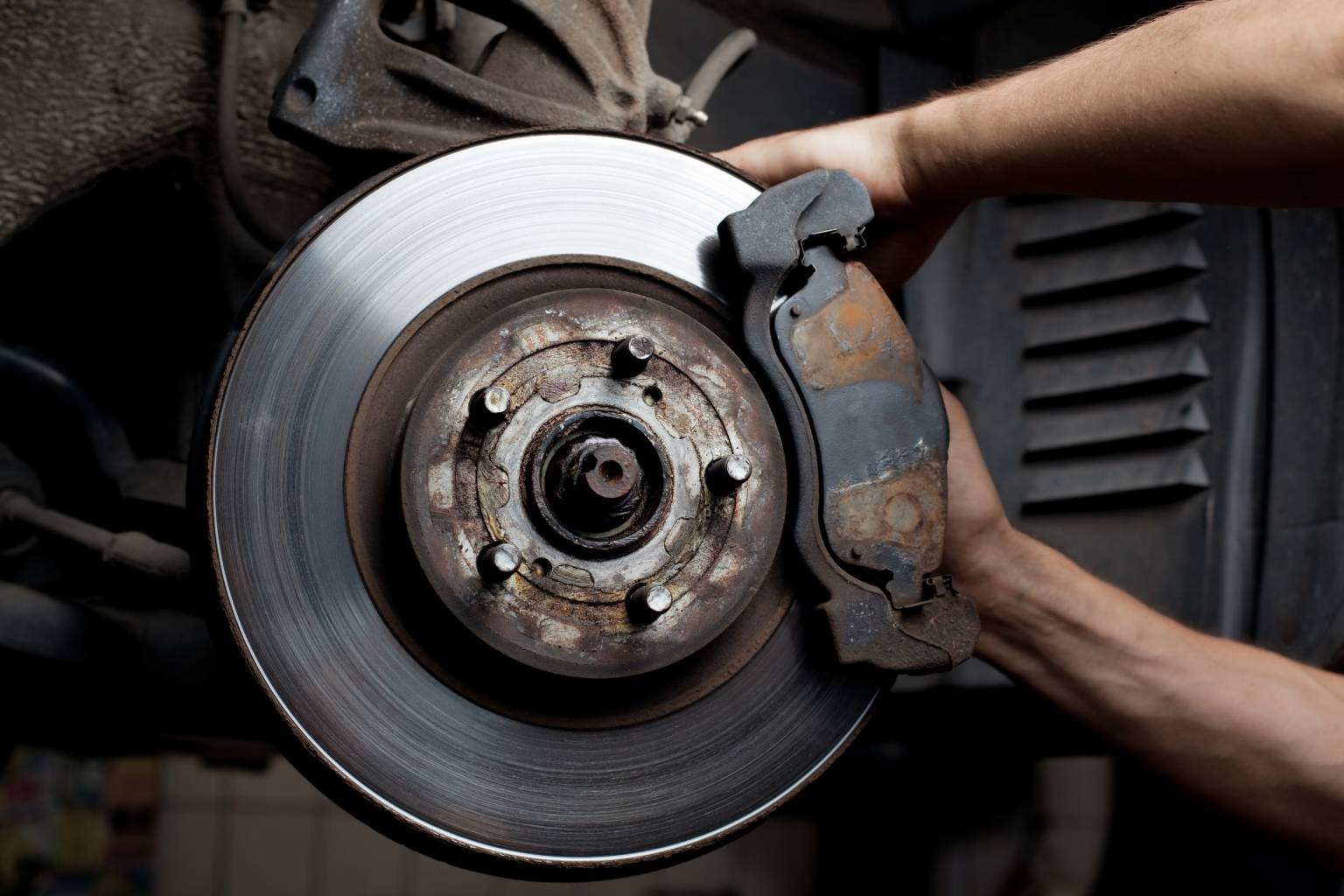
Brakes are vital for safety, yet they are frequently neglected. Skipping brake pad replacements, fluid checks, or rotor inspections can compromise stopping power. Worn brakes increase the risk of accidents, especially in emergency situations, and can damage other components like calipers and rotors.
Also Read: How Much is a Wheel Alignment in Rahway NJ?
Tire and Suspension Issues
Tires and suspension systems are critical for handling, comfort, and safety. Failing to rotate tires, check alignment, or inspect suspension components can cause uneven tire wear, reduced traction, and unstable handling. Misaligned wheels or worn shocks can make driving uncomfortable and dangerous, especially at high speeds or on wet roads.
The Cost of Ignoring Tire Maintenance
Skipping tire care often results in needing new tires prematurely. Uneven wear can reduce tire life by half, and damaged suspension components can escalate repair costs. In some cases, neglected tire maintenance contributes to blowouts or accidents.
Electrical and Electronic Component Failures
Modern cars are highly reliant on electronics, including battery systems, sensors, and infotainment modules. Regular maintenance helps prevent electrical failures by checking battery health, cleaning terminals, and inspecting wiring. Ignoring these checks can lead to unexpected breakdowns, such as dead batteries, malfunctioning headlights, or non-responsive sensors.
Dashboard Malfunctions
Electronic dashboards rely on precise sensor readings. Skipping maintenance can trigger false warnings or hide critical problems. A malfunctioning dashboard may prevent the driver from recognizing issues in time, compromising safety.
Environmental Impact of Skipping Maintenance
Neglecting car maintenance does not only affect your vehicle but also has environmental consequences. Poorly maintained engines emit higher levels of pollutants due to incomplete combustion, clogged filters, or faulty exhaust systems. Regular maintenance ensures that emissions are within regulated limits and reduces your carbon footprint.
Financial Implications
Many car owners skip maintenance thinking it saves money, but in reality, the financial implications are substantial.
Expensive Repairs
Neglecting minor issues often leads to major repairs. A simple oil change costs far less than an engine rebuild, and replacing brake pads is cheaper than repairing an entire brake system. Regular maintenance spreads costs over time and prevents sudden, catastrophic expenses.
Decreased Vehicle Value
A poorly maintained car loses resale value faster than a well-kept vehicle. Prospective buyers or dealerships often review maintenance records before purchase. Skipping maintenance can make your car less attractive in the market, reducing its trade-in or resale value.
Increased Fuel Costs
As previously mentioned, neglected maintenance reduces fuel efficiency. Over the lifespan of the vehicle, the cumulative cost of extra fuel can surpass what you might have spent on routine services.
Safety Risks of Skipping Maintenance
One of the most critical consequences of neglecting car maintenance is compromised safety. Vehicles that are not regularly serviced are more likely to experience mechanical failures while driving.
Brake and Steering Failures
Brake failure due to worn pads, fluid leaks, or degraded rotors can result in life-threatening situations. Steering systems, if neglected, may develop play or malfunction, reducing control over the vehicle.
Tire Blowouts
Skipping tire inspections increases the risk of blowouts, particularly at high speeds. A sudden blowout can cause loss of control and serious accidents.
Engine Stalls
An engine in poor condition may stall unexpectedly, especially in high-traffic areas or intersections. Engine stalls are not only inconvenient but also pose significant safety hazards to drivers and surrounding vehicles.
Impact on Insurance Claims
Car insurance policies often consider whether a vehicle has been properly maintained. Neglecting maintenance can affect the approval of claims in the event of an accident or mechanical failure. Insurers may argue that negligence contributed to the incident, potentially reducing payouts or coverage.
Common Misconceptions About Car Maintenance
Many drivers skip maintenance due to misconceptions or false economies.
“Modern Cars Don’t Need Maintenance”
While modern vehicles are more durable and have advanced diagnostics, they still require regular service. Oil, brakes, tires, and fluids must be inspected and replaced periodically to maintain optimal performance.
“Maintenance is Too Expensive”
Routine maintenance is an investment that saves money in the long run. Minor costs such as oil changes, fluid top-ups, and tire rotations are negligible compared to major repairs resulting from neglect.
“I Only Drive Short Distances”
Short trips do not eliminate the need for maintenance. Engine components still experience wear, and certain issues, like battery degradation, can occur even in low-mileage vehicles.
How to Stay on Top of Maintenance?
Preventing the consequences of skipped maintenance requires consistent scheduling and attention.
Create a Maintenance Schedule
Using your car’s owner manual, establish a maintenance timeline for oil changes, filter replacements, tire rotations, and other services. Keeping a log helps track when services are due.
Use Professional Mechanics
While DIY maintenance is possible, professional mechanics have the tools and expertise to identify hidden issues. They can also provide detailed inspections to prevent future problems.
Pay Attention to Warning Signs
Unusual noises, vibrations, dashboard lights, or changes in performance are early indicators that maintenance is overdue. Addressing these issues promptly can prevent major damage.
The Psychological Aspect of Vehicle Neglect
Skipping maintenance may seem harmless, but it reflects a larger behavioral pattern that can affect overall driving habits. Drivers who neglect maintenance may also ignore safe driving practices, leading to higher accident risk. Conversely, maintaining your vehicle encourages responsibility, attention to detail, and safer driving.
Environmental Responsibility
Maintaining a car regularly is not just about personal benefit; it also contributes to environmental stewardship. Well-maintained vehicles run cleaner, consume less fuel, and reduce harmful emissions. Neglecting maintenance has a cumulative effect, contributing to pollution and increased carbon footprint.
Balancing Cost and Responsibility
Some car owners hesitate to perform routine maintenance due to perceived costs. However, strategic planning allows for balancing financial and vehicle care responsibilities. Setting aside a small monthly budget for maintenance ensures that your car remains in top condition without sudden financial strain.
Preventive vs. Reactive Spending
Preventive maintenance is always cheaper than reactive repair. A minor oil leak fixed early prevents major engine damage, just as a worn brake pad replaced on time prevents rotor replacement and potential accidents. Spending a little regularly saves a lot later.
Stories from Real Drivers
Many drivers have learned the hard way about the importance of car maintenance. Some report engine failures caused by skipped oil changes, others experience brake system failures after neglecting routine checks, and a few even recount near-accidents due to tire blowouts. These stories highlight the tangible consequences of skipping maintenance and reinforce the need for proactive care.
Conclusion
Skipping regular car maintenance may seem harmless in the short term, but the consequences are far-reaching. Engine damage, reduced fuel efficiency, brake failures, tire issues, and electrical malfunctions are just the beginning. Ignoring maintenance not only compromises your safety but also costs more in repairs, fuel, and depreciation. At Quality 1st Auto Repair, we believe that proactive maintenance is key to keeping your vehicle reliable, safe, and efficient. By adhering to a consistent service schedule, monitoring warning signs, and relying on professional expertise, drivers can avoid unexpected breakdowns, protect their investment, and enjoy peace of mind on every journey. Trusting Quality 1st Auto Repair for your routine and preventive care ensures your car performs at its best while keeping you safe and confident on the road.