You’re driving along and suddenly notice the temperature gauge creeping up. Then that warning light comes on. Your heart sinks a little because you know this isn’t good.
Engine overheating is one of those problems that can go from minor to major really fast. What starts as a small issue can turn into a blown head gasket or a cracked engine block if you ignore it. And those repairs? They’re not cheap.
Understanding why engines overheat can save you a lot of money and stress. Most of the time, the problem comes down to something going wrong with your engine cooling system in Rahway. Let’s break down the most common causes so you know what to look for.
Low Coolant Levels
This is the number one reason engines overheat. Coolant, also called antifreeze, is what keeps your engine from getting too hot. When levels drop too low, there’s not enough fluid to absorb and carry away the heat.
According to AAA, cooling system failures are one of the leading causes of roadside breakdowns in the United States. And low coolant is often the culprit.
You might be losing coolant because of:
- A leak in the radiator or hoses
- A cracked reservoir tank
- A failing water pump seal
- A blown head gasket allowing coolant into the engine
Check your coolant level regularly. It takes two minutes and can prevent a disaster.
A Failing Thermostat
The thermostat is a small valve that controls coolant flow. When your engine is cold, it stays closed to help the engine warm up faster. Once the engine reaches operating temperature, it opens to let coolant circulate.
If the thermostat gets stuck closed, coolant can’t flow. Heat builds up with nowhere to go. And your temperature gauge starts climbing fast.
A bad thermostat is actually one of the cheaper fixes for overheating. But if you ignore it, the damage it causes won’t be cheap at all. Getting your engine cooling system in Rahway checked when you notice temperature issues is always a smart move.
Water Pump Problems
The water pump is basically the heart of your cooling system. It keeps coolant moving through the engine, radiator, and heater core. When it fails, everything stops flowing.
Signs of a failing water pump include:
- Coolant leaks near the front of the engine
- A whining or grinding noise from the pump area
- Steam coming from under the hood
- Visible corrosion or damage on the pump
A water pump usually lasts between 60,000 and 100,000 miles. If yours is getting up there in age, keep an eye on it.
Radiator Issues
The radiator’s job is to cool down the hot coolant that comes from the engine. Air flows through the radiator fins and pulls heat away. If something blocks that airflow or the radiator itself is damaged, cooling doesn’t happen properly.
Common radiator problems include:
- Clogged fins from dirt, bugs, and road debris
- Internal blockages from old coolant or corrosion
- Leaks from cracks or failed seals
- A damaged radiator cap that can’t hold pressure
Regular maintenance on your engine cooling system in Rahway includes checking the radiator and flushing old coolant. The Car Care Council recommends a coolant flush every 30,000 miles or so, depending on your vehicle.
Also read: What Happens If You Skip Regular Car Maintenance?
Broken or Worn Belts and Hoses
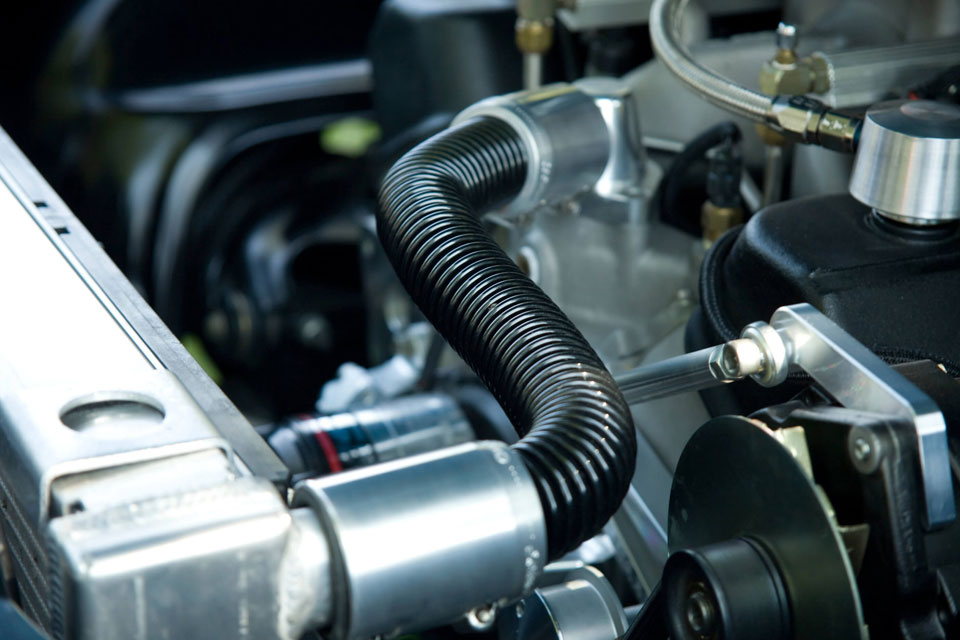
Belts and hoses connect everything together. The serpentine belt drives the water pump. Hoses carry coolant between the engine, radiator, and heater. If any of these fail, the whole system breaks down.
Rubber degrades over time. Heat and cold cycles make it worse. A hose that looks fine on the outside might be soft and ready to burst on the inside. Hoses should be inspected every time you get an oil change. It’s a simple step that can catch problems early.
Cooling Fan Failures
The cooling fan pulls air through the radiator, especially when you’re sitting in traffic or moving slowly. Without it, the radiator can’t do its job.
Electric fans can fail due to motor burnout or bad relays. Mechanical fans can have clutch problems that keep them from spinning fast enough. Either way, the result is the same. Your engine heats up when you need cooling the most.
Why You Shouldn’t Wait
An overheating engine isn’t something you can put off. Every time that temperature gauge spikes, damage is happening. Warped cylinder heads. Cracked blocks. Destroyed gaskets. These are expensive repairs that often affect older vehicles.
Getting your engine cooling system in Rahway checked at the first sign of trouble is the smartest thing you can do.
Why Quality 1st Auto Repair Is the Right Choice
At Quality 1st Auto Repair, we see overheating problems all the time. We know what to look for and how to fix it right. Our team diagnoses the real issue, not just the symptoms. And we explain everything in plain English so you understand what’s going on with your car.
Don’t wait until steam is pouring out from under your hood. By then, the damage is already done. Give Quality 1st Auto Repair a call today and let’s make sure your cooling system is working the way it should. Visit quality1stautorepair.com to schedule your appointment.