If your New Jersey inspection date is approaching, you may wonder exactly what the inspector checks and whether your vehicle needs repairs before you arrive. The answer depends on your vehicle’s age, fuel type, and classification. For most eligible passenger vehicles, New Jersey’s state inspection primarily focuses on emissions-related systems rather than a complete mechanical safety inspection.
That means a state inspection is not the same as a full vehicle check. Your brakes, tires, suspension, steering, and other important components may still need routine maintenance even if they are not part of the standard inspection process for your vehicle.
This guide explains what a New Jersey state vehicle inspection includes, how often inspections are required, what can cause a vehicle to fail, and how to prepare before your appointment.
What Is a State Vehicle Inspection?
A state vehicle inspection is an official evaluation used to determine whether a vehicle meets applicable state requirements. Inspection programs vary across the country. Some states conduct comprehensive safety and emissions inspections, while others focus primarily on emissions or do not require periodic inspections for most vehicles.
In New Jersey, most passenger vehicles are inspected on a two-year cycle after their initial inspection exemption period. The requirements may differ based on factors such as the vehicle’s model year, fuel type, weight, and use.
Commercial vehicles, taxis, limousines, buses, and certain other vehicle classes may follow different inspection requirements. Because the rules are not the same for every vehicle, it is important to confirm the requirements that apply to your specific registration and vehicle type.
What Does a New Jersey State Vehicle Inspection Include?
For many eligible gasoline-powered passenger vehicles, the inspection primarily evaluates emissions-related information through the vehicle’s onboard diagnostic system. The inspection may also include required checks related to the vehicle’s identification and applicable inspection equipment.
The process is generally designed to determine whether the vehicle’s emissions-control systems are operating properly and whether the onboard computer has detected a problem that could affect emissions performance.
OBD-II Emissions Testing
Most modern vehicles use an onboard diagnostic system, commonly called OBD-II, to monitor engine operation and emissions-related components.
During the inspection, the technician connects inspection equipment to the vehicle’s diagnostic port. The system can retrieve information related to emissions performance, including whether the vehicle has stored certain emissions-related diagnostic trouble codes.
The inspection does not necessarily involve taking the engine apart or performing a full mechanical evaluation. Instead, the vehicle’s computer provides information about the condition and status of monitored emissions systems.
Check Engine Light Status
An illuminated check engine light may indicate that the vehicle has detected an emissions-related problem. Depending on the cause of the warning and the applicable inspection requirements, the vehicle may not pass the emissions portion of the inspection.
The check engine light can turn on for many reasons, including problems involving the oxygen sensors, catalytic converter, ignition system, fuel system, or evaporative-emissions system.
If the light is on, have the vehicle diagnosed before the inspection. Simply clearing the warning light without repairing the underlying problem may not solve the issue because the vehicle’s diagnostic system may need time to complete its required self-tests.
Emissions Readiness Monitors
Your vehicle’s computer runs a series of self-tests called readiness monitors. These monitors evaluate different emissions-related systems under specific driving conditions.
If the battery was recently disconnected, diagnostic codes were cleared, or an emissions-related repair was completed, some readiness monitors may show that they are not ready. In that situation, the vehicle may need additional normal driving before the inspection system can confirm that the required tests have been completed.
Avoid clearing diagnostic codes immediately before your appointment. If the readiness monitors have not completed their testing cycles, you may need to return for another inspection after driving the vehicle.
Vehicle Identification and Applicable Inspection Checks
The inspection process may also include checks related to the vehicle’s identification and other requirements that apply to its classification.
Because inspection procedures can vary by vehicle type, owners of commercial vehicles, specialty vehicles, diesel vehicles, and other nonstandard classifications should confirm the current requirements for their registration category.
Does a New Jersey State Inspection Check Brakes, Tires, and Suspension?
For most passenger vehicles, a New Jersey state inspection should not be treated as a complete mechanical safety inspection.
A vehicle may pass an emissions-focused inspection while still having worn brake pads, uneven tire wear, weak suspension components, or other maintenance concerns. These problems can affect safety, handling, ride quality, and repair costs even when they do not trigger an emissions-related warning.
For that reason, a separate vehicle safety inspection is still valuable.
A professional repair shop can evaluate important components such as:
- Brake pads, rotors, calipers, and brake-fluid condition
- Tire tread, pressure, wear patterns, and visible damage
- Steering and suspension components
- Headlights, brake lights, turn signals, and other exterior lights
- Windshield wipers and washer-fluid operation
- Belts, hoses, fluid leaks, and other visible maintenance concerns
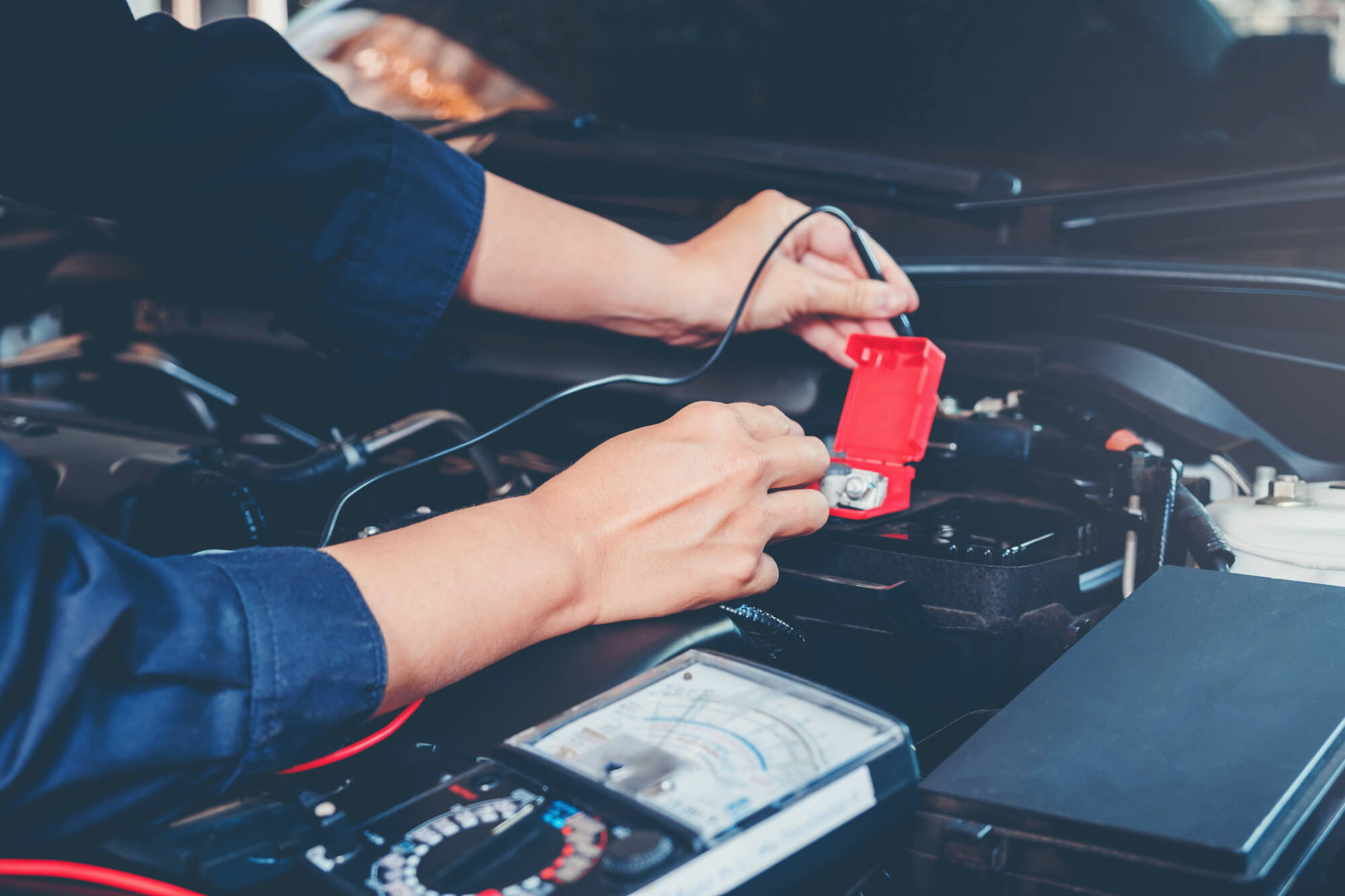
- Battery condition and charging-system performance
These checks are part of preventive maintenance or a shop’s pre-inspection service. They should not be confused with the official requirements of the state inspection program.
How to Prepare for a State Vehicle Inspection
Preparing before your appointment can help you identify potential emissions-related issues and avoid an unnecessary return visit.
Check Your Inspection Due Date
Review your inspection sticker or vehicle records to determine when your inspection is due. Inspection schedules can differ depending on the vehicle’s age and classification.
Do not wait until the last possible day. Scheduling early gives you time to address a problem if the vehicle needs diagnosis or repairs.
Address an Illuminated Check Engine Light
If the check engine light is on, schedule a diagnostic inspection before your state appointment.
A warning light does not identify the exact failed component. A technician may need to scan the vehicle for diagnostic trouble codes and perform additional testing to determine the cause.
Repairing the underlying issue is more reliable than clearing the code and hoping the light remains off.
Avoid Disconnecting the Battery Before the Inspection
Disconnecting the battery or clearing diagnostic codes can reset the vehicle’s readiness monitors.
After a reset, the vehicle may need to complete several normal driving cycles before the onboard computer finishes its self-tests. The required time and driving conditions vary by vehicle.
If you recently completed a repair, ask your technician whether the vehicle’s readiness monitors are complete before scheduling the inspection.
Also Read: Front-End Alignment Cost vs Four-Wheel Alignment Cost
Keep Your Vehicle Maintained
Routine maintenance can help prevent problems that affect emissions performance.
Follow your manufacturer’s recommended maintenance schedule and address concerns such as:
- Rough idling
- Poor acceleration
- Reduced fuel economy
- Engine misfires
- Unusual exhaust odors
- Difficulty starting
- An illuminated check engine light
These symptoms do not always mean the vehicle will fail, but they may indicate a problem that should be diagnosed.
Which Vehicles Are Exempt From Inspection?
New Jersey provides inspection exemptions for certain vehicles. Eligibility can depend on the vehicle’s age, fuel type, model year, weight, registration classification, and intended use.
Some newer vehicles receive an initial inspection exemption period, while certain electric vehicles, motorcycles, trailers, historic vehicles, and specialized equipment may be subject to different requirements or exemptions.
Because exemption rules can change and may include specific conditions, verify your vehicle’s status through current New Jersey Motor Vehicle Commission guidance rather than relying only on the vehicle’s age or fuel type.
What Happens If Your Vehicle Fails Inspection?
If your vehicle does not pass, you should receive information identifying the reason for the failed inspection.
The next steps depend on the type of issue and the applicable inspection rules. In many cases, the vehicle must be repaired or the underlying problem must be corrected before it can pass a subsequent inspection.
For an emissions-related failure, a repair shop may need to:
- Retrieve the diagnostic trouble codes.
- Identify the cause of the emissions problem.
- Repair or replace the affected component.
- Clear the codes when appropriate.
- Confirm that the warning light remains off.
- Allow the vehicle to complete the required readiness-monitor tests.
- Return the vehicle for reinspection according to the applicable requirements.
Do not assume that replacing the part named in a diagnostic code will always fix the problem. A code identifies the system or condition that caused the warning, but additional testing may be necessary to find the actual cause.
Common Reasons a Vehicle May Not Pass an Emissions Inspection
Emissions-related failures can result from several issues, including:
- An illuminated check engine light
- A malfunctioning oxygen sensor
- Catalytic-converter problems
- Engine misfires
- Fuel-system issues
- Evaporative-emissions system faults
- Damaged wiring or electrical connections
- Incomplete OBD readiness monitors
- Unresolved emissions-related diagnostic trouble codes
The correct repair depends on the vehicle’s diagnostic results. A professional inspection can help prevent unnecessary part replacements and identify the actual source of the problem.
Get Your Vehicle Ready for Inspection at Quality 1st Auto Repair
A state inspection can identify certain emissions-related concerns, but it is not a substitute for routine vehicle maintenance or a complete safety evaluation.
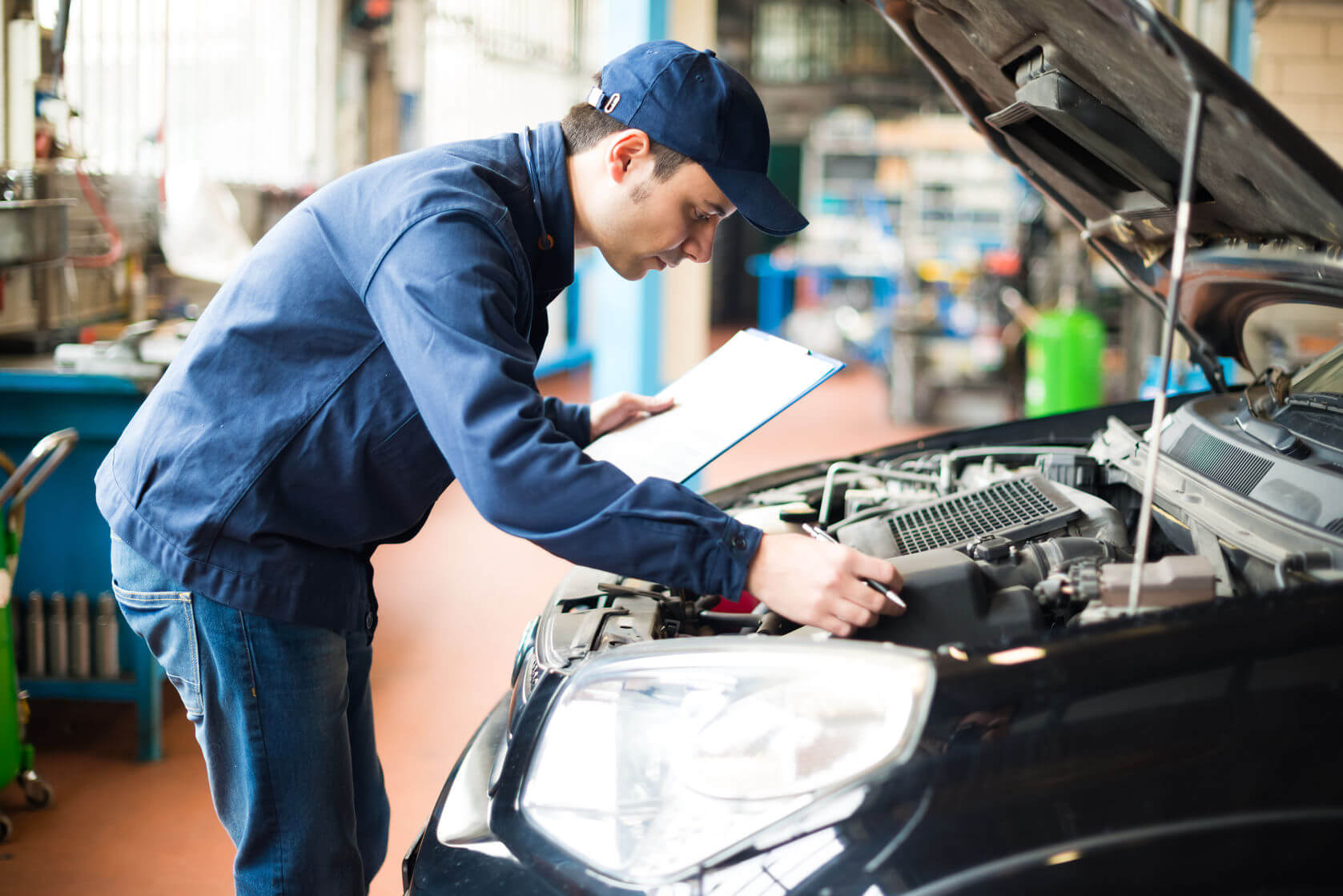
At Quality 1st Auto Repair, our technicians can inspect your vehicle, diagnose an illuminated check engine light, evaluate emissions-related concerns, and check important safety components before they develop into larger problems.
Whether you need help preparing for an upcoming inspection or want a complete vehicle check, our team can explain what your vehicle needs and recommend the appropriate repairs without unnecessary add-ons.
Call Quality 1st Auto Repair or schedule an appointment to prepare your vehicle for the road and your next inspection.